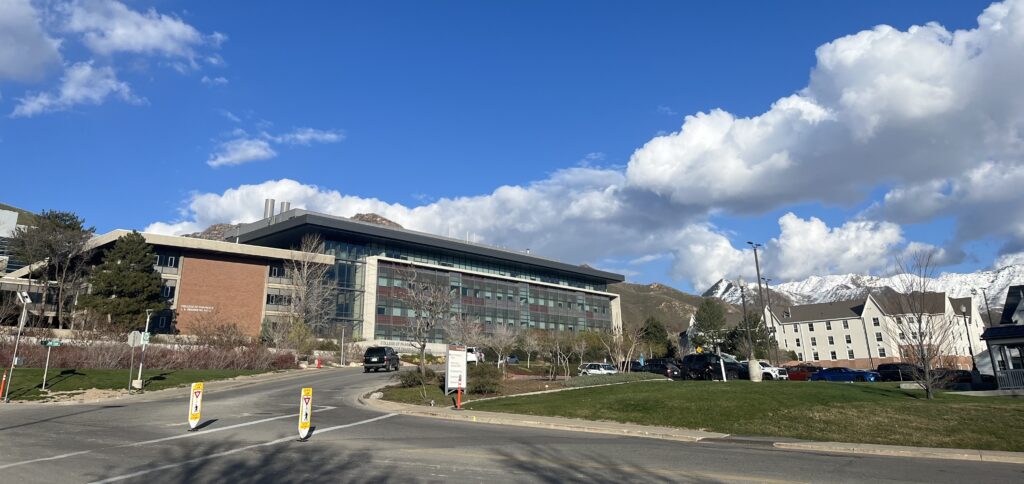
Welcome to the Wang Lab!
RNA is a highly dynamic and versatile molecule that serves as a central mediator of the genetic information flow. Intriguingly, eukaryotic RNAs are further decorated with a wide range of chemical modifications, making the RNA landscape far more diverse and complex than that encoded in the DNA sequence alone. In recent years, it has been increasingly appreciated that certain RNA modifications are dynamic and can play critical regulatory roles in gene expression. They may participate in every stage of the RNA life cycle and profoundly influence cellular and physiological outcomes. Certain chemical modifications have also been implicated in marking self RNAs to prevent the activation of innate immune responses. Despite these advances, we are only beginning to unravel the mysteries of this layer of RNA regulation.
RNA modifications encompass a wide array of chemical alterations, including methylation (e.g., N6-methyladenosine, m7G, m1A, Nm), deamination (e.g., I), acetylation (e.g., ac4C), and isomerization (e.g., pseudouridine). The Wang lab is interested in answering basic questions about where and how specific modifications are installed and what biological consequences result from their incorporation into RNA. Additionally, we aim to achieve a deeper understanding of the correlation of RNA modifications with human diseases, identify protein factors that interpret certain chemical marks and connect them to downstream cell signaling, reveal their contributions to physiological processes such as innate immunity and neuronal development, and harness the regulatory potential of RNA modifications to design next-generation therapeutics.
To achieve these aims, we harness cutting-edge genomics and proteomics technologies, as well as pioneer novel in vitro or in cellulo assays with broad utility to the research community. Trainees in the Wang Lab will be exposed to various interdisciplinary techniques, including biochemistry, chemical biology, cell biology, protein engineering, and bioinformatics.
Contact Us
Room 1962, L.S. Skaggs Building
Lab phone: 801-646-8066
Department of Medicinal Chemistry
30 S 2000 E, Salt Lake City, UT, 84112